Terma has acquired UK counter-drone firm OSL Technology, connecting a civil airspace specialist into a long-standing Nordic defense supplier in a direct play for the Counter-UAS market.
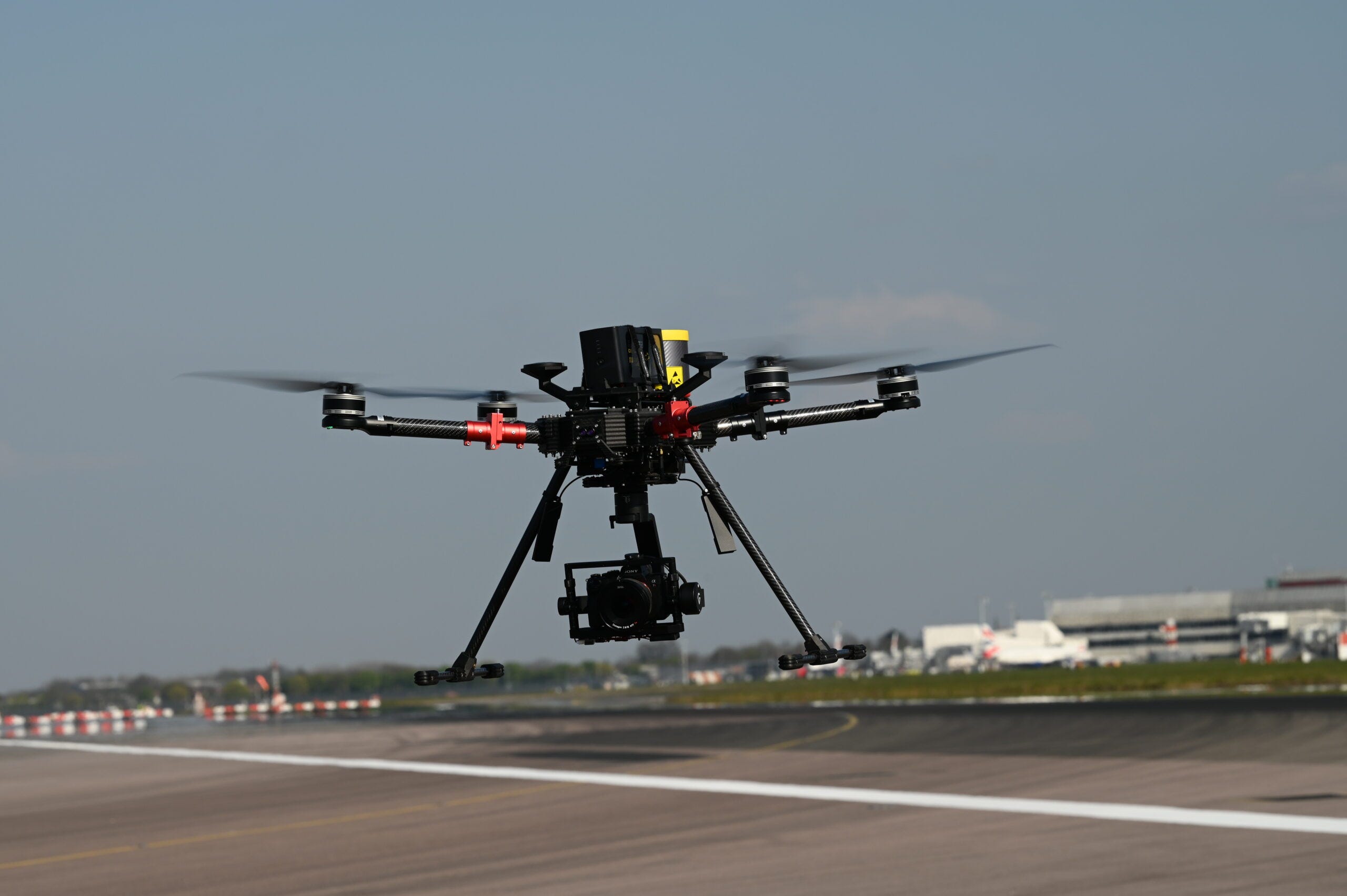
The deal brings OSL, which has supplied counter-drone and security systems to Heathrow and other national-infrastructure sites in the UK, into Terma’s broader defense and security portfolio. OSL’s work has focused on spotting, tracking, and managing drones in dense civil airspace and around critical sites where false alarms and downtime carry a high cost.
The move shows what a small EU country can do when state policy, industry, and a real war on its doorstep line up. Copenhagen has become one of Kyiv’s most reliable backers, sending aid, weapons, and know how, while its defence tech sector builds tools that the EU will need. This move by Terma, the country’s main prime contractor, brings counter drone expertise straight into a Danish led ecosystem, and turns a UK success story into a wider European asset.

Terma comes from the classic defense side. The Danish group builds radar, sensors, and command systems for navies, air defense units, and infrastructure operators. Its recent work has pushed hard into counter-drone and site protection, joining ground sensors, coastal radars, and command software into one view for operators.
“Joining Terma is an extraordinary opportunity for OSL and our customers,” said Mark Legh-Smith, CEO of OSL. “Terma’s multi-domain expertise together with our C-UAS platform and agility create unmatched depth of capability – from sensor to decision to response. It means faster detection, smarter classification, and precisely coordinated action. It’s the perfect combination of innovation and assurance.”
These partnerships make sense. Airports are now dealing with hostile drones, not only careless hobbyists and bases and depots sit close to towns and busy airspace. A system that has lived with civil safety rules and aviation regulators, and that can also work inside defense command structures, has clear appeal for militaries looking for an all-in-one solution.
For Europe, this move is another sign that counter-drone is consolidating around larger groups that can carry long-term support and export obligations. It gives European airport authorities and infrastructure owners a regional option at a time when uncrewed systems are becoming a routine part of both crime and conflict and not a rare edge case.